Adrian Zecha has one of the strangest résumés in hospitality. He founded Aman Resorts, the brand that basically invented a certain kind of quiet, design-obsessed luxury. Then he founded GHM, whose Chedi brand carried a similar philosophy into a different register. Decades later, in his eighties, he started Azerai in Vietnam, still chasing the same idea: fewer rooms, more restraint, staff who feel like they've been there forever.
Tanah Gajah, tucked into the rice fields outside Ubud, was part of that middle chapter. It opened in 2004 as The Chedi Club Tanah Gajah, built on land that belonged to the Indonesian architect and art collector Hendra Hadiprana, who entrusted it to Zecha to turn into a 20-villa resort. After Hadiprana's death in 2018, his family took the property back and renamed it Tanah Gajah, a Resort by Hadiprana. The Chedi name disappeared from the sign. For most visitors, that was the end of the story.
It isn't.
An overlooked name, an unmoved team
Since it lost the Chedi name, Tanah Gajah has become something of an interchangeable name for Western tourists, easy to scroll past on a list of Ubud hotels. But insiders know something the name change doesn't show: most of the staff have been here since the Chedi days, trained under Zecha's original vision. That continuity is rare in Bali hospitality, where turnover is constant, and it's the reason this hotel feels different from almost anywhere else on the island.
You'll find attentive, warm staff all over Bali, that's not unique. What's different at Tanah Gajah is the kind of hospitality: understated, intelligent, carried by people who seem to belong to another era entirely. It shows up everywhere, not just in the big gestures. The minibar is always properly stocked. Small gifts appear without announcement. The music is curated, not just played. Turndown service feels considered rather than routine. For anyone paying attention, it's a small festival of details, each one clearly worked out with real care.
If you're used to the more overt luxury of somewhere like the St Regis in Nusa Dua, this will feel like a different world entirely.
A restaurant with nothing to prove
The same restraint runs through the restaurant. No trendy interiors, nothing chasing a trend. It's timeless, exactly what you'd expect from a place carrying Aman DNA. The menu itself, on paper, reads as simply good. Not flashy. The real strength is the chef living permanently on the estate.
Chef Dean Nor is originally from Singapore but settled in Bali decades ago. He runs a set menu because the format requires it, but what he actually wants is to cook something bespoke for every guest. He looks for the interaction, and seems to want to be challenged by it. Stay a few nights and a genuinely dynamic collaboration develops between him and his guests. He doesn't want it too easy: tell him you love steak with béarnaise, and he'll head straight to his own herb garden and build one from local ingredients on the spot, fennel and thyme instead of tarragon, in this case. That kind of back-and-forth is something I haven't come across anywhere else on the island.
The rhythm of a stay
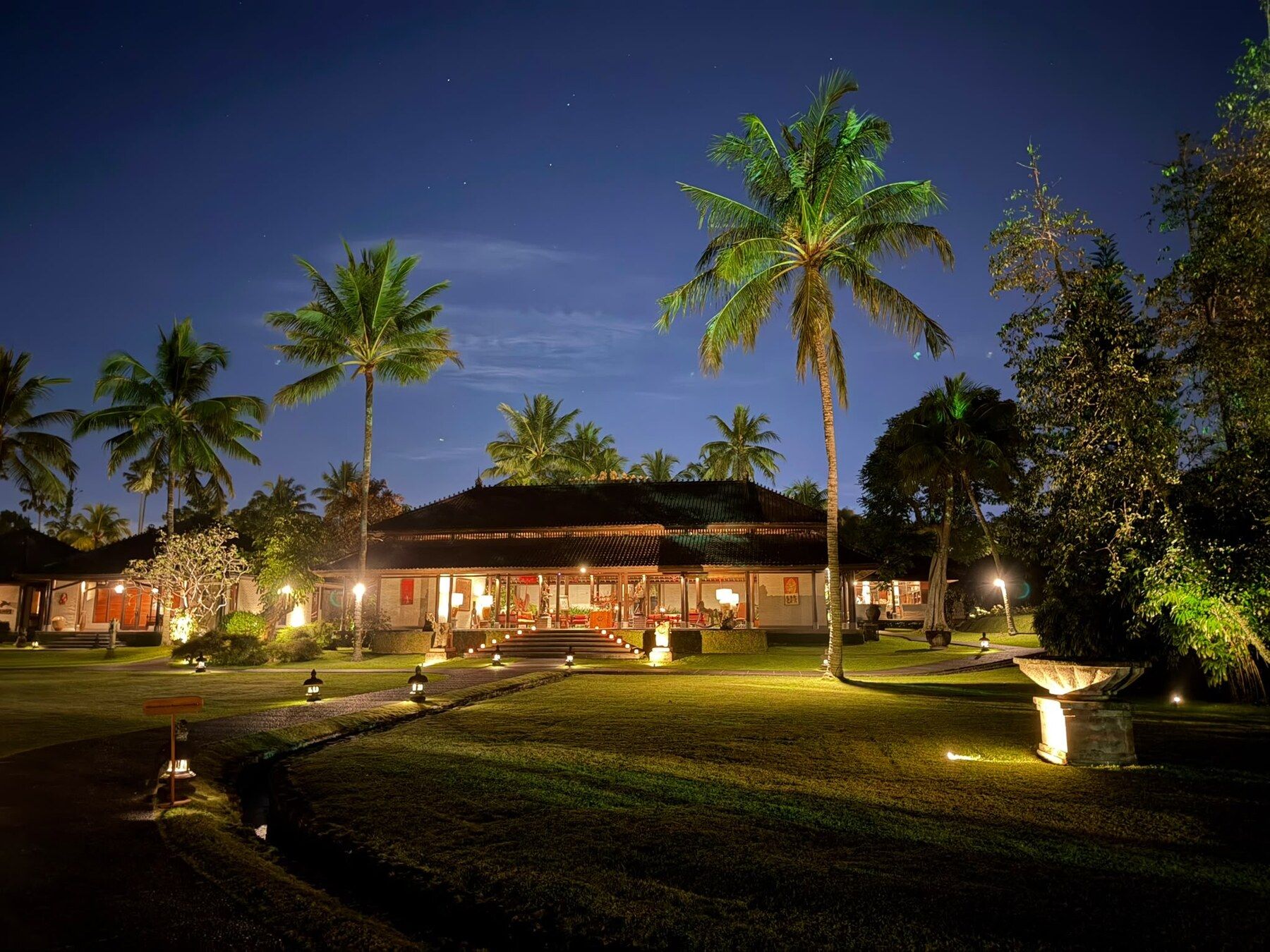
I could keep going: the grounds, meticulously kept; service that is genuinely among the best on the island, not just marketed that way; a spa team as precisely trained as any I've experienced.
My own days here settled into a rhythm. Spend the day roaming the island, then come home to Tanah Gajah. A swim, sometimes a massage. From five, sink into the Balinese lounge for the included afternoon tea. From six to seven, the included cocktail hour. Then, properly rested, sit down for the real event of the evening: the ongoing negotiation with Chef Dean over what you're going to eat.
Tanah Gajah is available through The Banjar Collective.
GET IN TOUCH TO PLAN A STAY →